
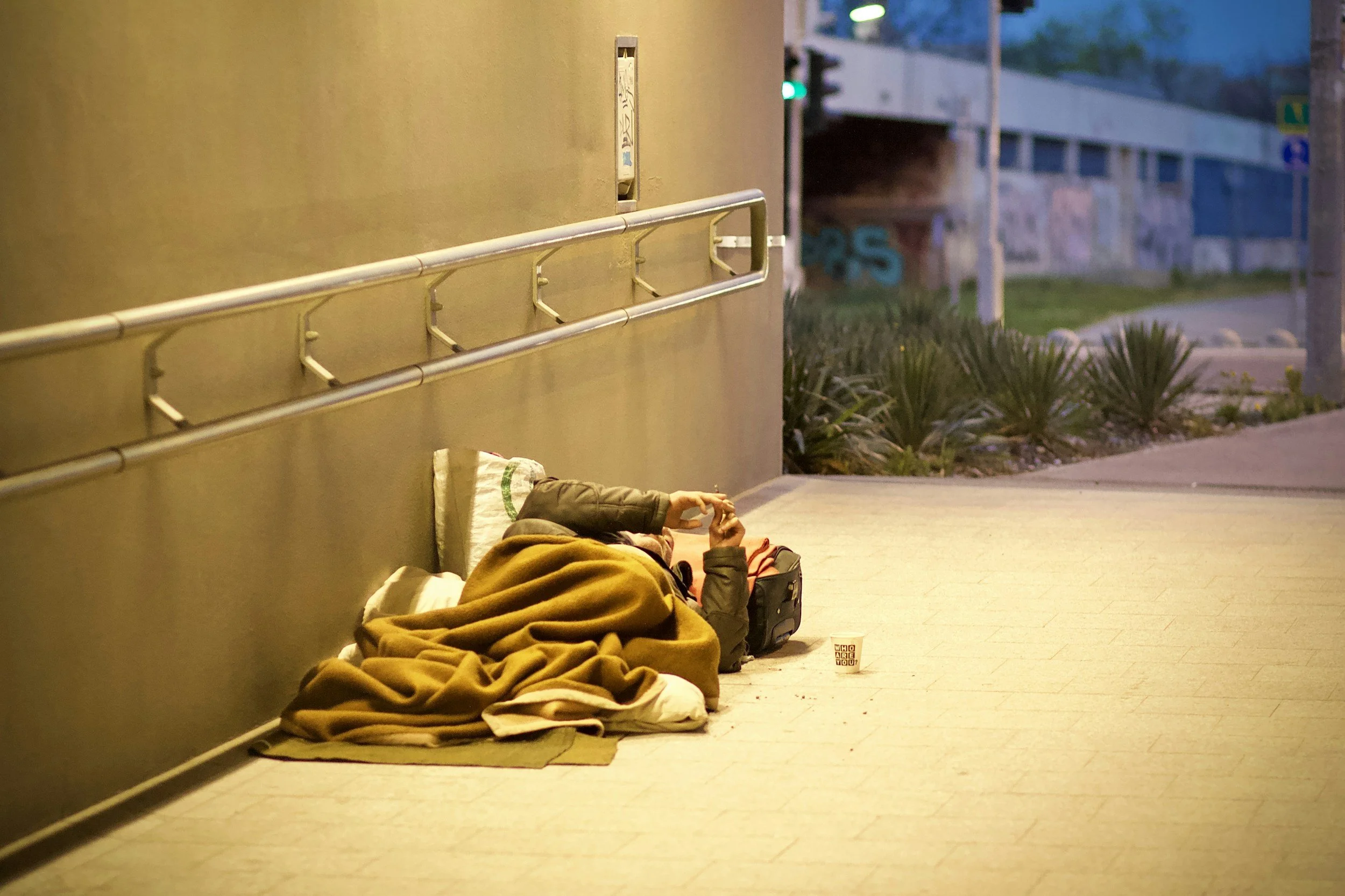
*A reflection on Matthew 25 and encountering Christ in unexpected places*
---
There's a question that might seem strange at first: **When was the last time you saw Jesus?**
Not when you read about Him. Not when you prayed to Him. But when you actually *saw* Him—in the flesh of human life, in a moment so real you could taste, touch, feel, see, and hear His presence.
Most of us, if we're honest, expect to encounter Jesus in church. We look for Him in sanctuaries, in worship services, in prayer meetings surrounded by other believers. But what if Jesus is waiting for us in places we'd never think to look?
## The Unexpected Places Jesus Hides
In Matthew 25:31-46, Jesus tells us something that completely rearranges our expectations. He doesn't mention altars or sanctuaries. Instead, He says:
*"I was hungry and you gave me something to eat, I was thirsty and you gave me something to drink, I was a stranger and you invited me in, I needed clothes and you clothed me, I was sick and you looked after me, I was in prison and you came to visit me."*
Jesus isn't hiding. He's telling us exactly where to find Him: **among the hungry, the thirsty, the stranger, the sick, and the imprisoned.**
Sometimes the place you least expect to encounter Christ is exactly where He is waiting.
## A Lunch That Changed Everything
Recently, I traveled to Rwanda (or as the locals say, "Rhonda") expecting to meet Jesus in the faces of children. And I did—eventually. But first, Jesus surprised me at a lunch table.
The setting itself was overwhelming: Hotel des Mille Collines, the very place where over a thousand people hid during the 1994 genocide while mobs roamed the streets outside. The same walls that once sheltered people clinging to life became the backdrop for an encounter I'll never forget.
At that table sat two people: **Alice and Emmanuel.**
Alice's body told a story before she ever spoke. Her right hand was gone. A scar ran down the left side of her face. Her shoulder bore the mark of a spear wound. She had been bludgeoned, mutilated, and left for dead on a pile of bodies during the genocide.
She survived.
But here's what stunned me: sitting at the same table was Emmanuel—**the man who had cut off her hand.**
## When God Lives in You
They had known each other as children, before the genocide, before the division, when they were just classmates in primary school. But during those horrific months in 1994, Emmanuel became one of the men who attacked her and left her for dead.
Now, decades later, they sat together.
Emmanuel's voice trembled as he spoke about guilt, shame, and the years he'd lived haunted by what he'd done. He apologized again and again, still begging for forgiveness even after all these years.
But here's the miracle: **Alice had already forgiven him.**
When someone asked how she could forgive a man who had mutilated her, who had taken her hand, she was adamant in her response:
*"When I forgave, it wasn't me. It's the God that lives in me."*
Let that sink in. Her testimony was about **the God in her**. And she was sitting next to a man named **Emmanuel**—which means "God with us."
## The Cross at the Lunch Table
In that moment, something hit me like lightning: I was watching the God in her extend grace to the man whose very name means God with us.
I saw forgiveness. And it looked like Jesus to me.
That moment convicted me deeply. As I listened to them talk, I realized something uncomfortable: **I saw none of me in her and all of me in him.**
Alice looked like Jesus—radiant with mercy, overflowing with grace, living proof that forgiveness can conquer hatred.
But Emmanuel looked like me—broken, ashamed, guilty, desperate for mercy.
And suddenly, the cross made sense in a way I'd never seen before. **The cross is where God looks at people like us and says, "Father, forgive them."** Not because we deserve it. Not because we've earned it. But because grace is greater than our sin.
The cross isn't just at Calvary. Sometimes the cross is sitting right at the table with you.
## Seeing Jesus Everywhere
Throughout that week in Rwanda, I kept seeing Matthew 25 come alive:
- In schools where 700 children sang "Welcome, we are glad to see you" to strangers they'd never met
- In children who didn't choose their birthplace, their parents, or their poverty—but who were given the chance to choose hope
- In economic cooperatives where people were learning to change their mindsets before changing their money
- In the "water walk"—where children at a school with no running water walk one mile downhill and one mile back uphill every day just to have water
I watched people celebrate two water spigots serving 17,000 people while 60,000 more waited. They were singing and dancing about clean water—**because water means life.**
And I realized: **Sometimes the things we complain about are the very blessings somebody else is praying for.**
## The Matthew 25 Challenge
Before the trip, our church participated in a Matthew 25 challenge:
- One day eating only beans and rice
- One day drinking only water
- One night sleeping on the floor
- One day wearing the same clothes
At the time, it felt difficult. But after spending 20+ hours in airplane seats, eating unfamiliar food, and watching children walk miles for water, I understood.
The challenge wasn't about suffering. It was about **seeing**—seeing what millions experience daily, seeing Jesus in the least of these, seeing our blessings clearly.
## When Children Choose You
At a "choosing party" in Rwanda, nearly 300 children stood before photographs of people from our church. They stared at the faces. They looked again. They didn't rush. Some stayed for minutes, just looking.
Then they chose—not randomly, but prayerfully—the person they believed God had connected them with. Someone who would help provide education, food, medical care, and hope.
Many thought they were choosing a child to sponsor. But the truth is, **the child chose them.**
That's not just charity. That's discipleship. Because Jesus said, "Whatever you did for one of the least of these, you did for me."
## The Question Remains
So I ask you again: **When was the last time you saw Jesus?**
Was it in a hospital room? Beside a prison bed? In the quiet courage of someone who forgave the unforgivable?
Jesus is not hiding. He's waiting in the faces of the hungry, the thirsty, the stranger, the sick, the imprisoned, and the wounded.
He's in the neighbor who needs kindness. The child who needs hope. The person who needs forgiveness.
**Sometimes the place you least expect to encounter Christ is exactly where He is waiting.**
---
*May we have eyes to see Jesus. May we be the kind of people who don't simply talk about Jesus, but who reveal Jesus in the way we live. And may we recognize His presence among the least of these.*
**When was the last time you saw Jesus? Perhaps the better question is: When will you see Him next?**
---
*Based on a sermon reflecting on Matthew 25:31-46 and a transformative experience in Rwanda*