*Reflections on Palm Sunday and the Cost of Following Jesus*
## Two Crowds, Two Spirits
History has a way of repeating itself—same streets, same energy, but completely different spirits driving the crowd.
Think about Washington, D.C. in two different moments: August 1963 and January 6, 2021. Same city. Same streets. But one crowd came with a dream, believing America could become what it promised on paper. The other came with anger, trying to pull the country backward instead of pushing it forward.
One was rooted in hope. The other was fueled by fear.
Here's what we need to understand: **just because a crowd is loud doesn't mean the crowd is right.** Just because a crowd is unified doesn't mean they understand truth. And just because something
From the outside, both crowds looked powerful, unified, and committed. But here's the truth we must face: **just because a crowd is loud doesn't mean the crowd is right. Just because a crowd is unified doesn't mean it understands truth.**
---
## The Parade on Palm Sunday
This brings us to another crowd—the one gathered in Jerusalem on what we now call Palm Sunday.
Jesus is entering the city, and this isn't random or spontaneous. It's intentional, prophetic, calculated. He tells his disciples to go find a donkey and bring it to him. And if you don't pause here, you'll miss the entire moment.
Jerusalem is packed with pilgrims for Passover. The city is tense—Roman soldiers are watching with weapons, religious leaders are on edge, and rumors of revolution are spreading. But here's what makes this moment even more powerful: **there are actually two processions happening that week.**
On one side of the city, Roman authority enters with force. Governor Pontius Pilate rides in from Caesarea on a war horse, followed by soldiers in armor with weapons—a display of power reminding everyone who's in control.
On the other side of the city, here comes Jesus. Not on a war horse, but on a borrowed donkey.
One kingdom rides in on intimidation; the other rides in on humility. One flexes power through force; the other reveals power through surrender. **Kings ride horses when they come to conquer. Kings ride donkeys when they come in peace.**
Before Jesus ever opens his mouth, he's already preaching a sermon: *I am a king, but not the kind you think.*
---
## The Danger of Misunderstanding
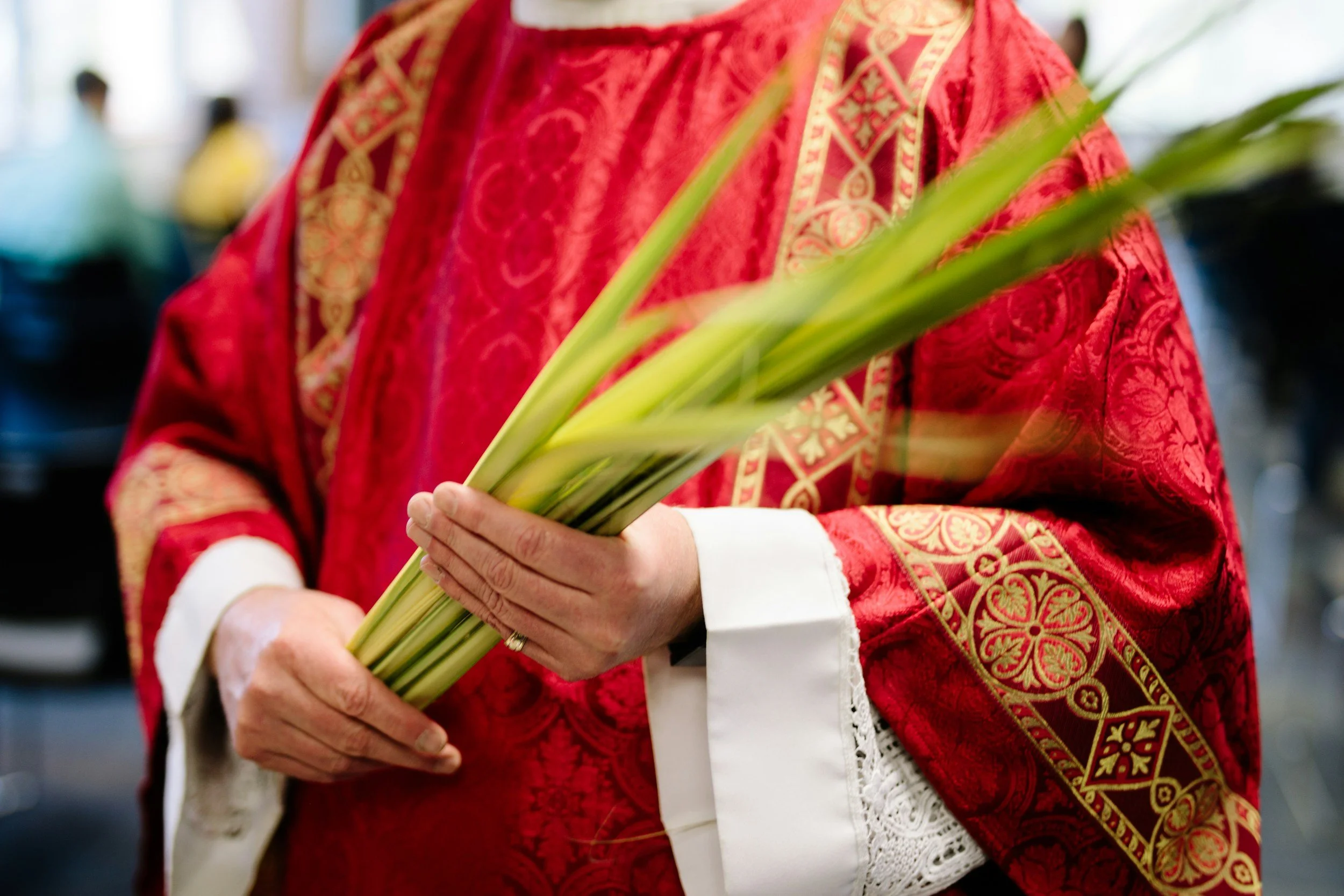
The crowd erupts when Jesus enters. This isn't a quiet church moment—it's loud, chaotic, emotional. Palm branches wave, cloaks are thrown on the road, people run alongside the donkey shouting, "Hosanna to the Son of David! Blessed is he who comes in the name of the Lord!"
It looks like revival. It feels like victory. The king is coming!
But don't be fooled. **Emotion is not the same as understanding. Noise is not the same as knowledge. Celebration is not the same as surrender.**
The crowd is shouting "Hosanna"—which means "save us now"—but here's the problem: they want salvation on their terms. They want deliverance from Rome, not from sin. They want political freedom, not spiritual transformation.
While they're praising him, they're also misreading him.
**It's possible to be emotionally moved by Jesus and still spiritually blind to who he is.** It's possible to shout his name and misunderstand his nature. It's possible to celebrate his arrival and still reject his assignment.
---
## When Expectations Change
Here's the uncomfortable truth: **misunderstanding Jesus is never neutral. It doesn't just leave you confused—it eventually leaves you opposed.**
The same crowd shouting "Hosanna" on Sunday will shout "Crucify him!" on Friday. Same city, same streets, same voices. Nothing changed about Jesus—he was the same on Friday as he was on Sunday. He didn't lose power or authority. He was still the Son of God.
The only thing that changed was their expectations of him.
When Jesus refused to fit their expectations, they rejected him. When he started talking about loving enemies, turning the other cheek, and taking up your cross, they realized: *This isn't the Messiah we ordered.*
They didn't reject Jesus because he was unclear. **They rejected him because he was too clear**—clear about humility, sacrifice, justice, and a love that costs something.
---
## The American Christianity Problem
This is the problem with much of American Christianity right now. We've created a version of Jesus that serves our interests rather than surrendering to the Jesus who transforms our lives.
We want a Jesus who affirms our politics, protects our preferences, and preserves our power—but not a Jesus who stands with the marginalized, disrupts injustice, or calls us to costly love.
We want a Jesus who blesses our comfort but not one who confronts our complicity. We want grace without accountability, favor without responsibility, blessings without burdens.
**We walk up to Jesus like he's a spiritual menu, picking what we like and leaving what we don't want.**
But Jesus isn't a menu, a mascot, or a mirror of our desires. He is Lord of all. And when he refuses to become what we want, we start distancing ourselves from who he is.
---
## He Keeps Riding Anyway
Here's what makes Palm Sunday even more powerful: **Jesus knows exactly what's happening.**
He knows their praise is real but temporary. He knows their understanding is loud but limited. He knows their loyalty is present but conditional. He knows the same voices singing "Hosanna" will soon sing "Crucify him!"
And he keeps riding anyway.
He doesn't stop at the gate. He doesn't turn the donkey around. He doesn't correct the crowd. He rides into misunderstanding, misinterpretation, and rejection—because **Jesus isn't responding to the crowd; he's completing his mission.**
Every step that donkey takes is one step closer to betrayal, false accusation, the whipping post, and nails in his hands. Jesus isn't reacting—he's choosing.
**He didn't ride into Jerusalem to be celebrated. He rode in to be crucified.**
The parade isn't the destination; the cross is the destination.
---
## The Question for Us
So the question shifts—not about the crowd in Jerusalem, but about us.
When you follow a Jesus who refuses what you want but insists on being who you need, will you follow him?
I know you'll follow him when he blesses you. But will you follow him when he stretches you?
I know you'll follow him when he opens doors. But will you follow him when he asks you to pick up a cross and carry it?
**If you only follow him in the parade, you won't follow him to the cross. But if you can follow him to the cross, you'll be there for the resurrection.**
---
## No Turning Back
Wave your palm branches if you want. Shout "Hosanna" if you want. Celebrate him while the music is playing. But don't let your praise stop with the parade.
This King isn't just riding into Jerusalem—he's riding to a cross. And you can't share the crown if you won't share the cross.
Following Jesus isn't easy. You have to learn to turn the other cheek, be cussed at without cussing back, be put down while still lifting people up.
The question isn't whether you can shout. **The question is whether you can be counted on.**
Can you stay with him when the crowd changes its mind? Can you follow him through the parade to the cross?
*"I have decided to follow Jesus. No turning back, no turning back."*
Christianity may have been tough for you, but check your hands—no holes there. Check your side—no spear wound. He took it so we could take it. He died so we could live.
That's a pretty good exchange rate.
**No turning back. No turning back.**
---
*The door to the church is open. The question is: will you walk through it—not just to celebrate Jesus, but to follow him all the way to the cross and beyond?*